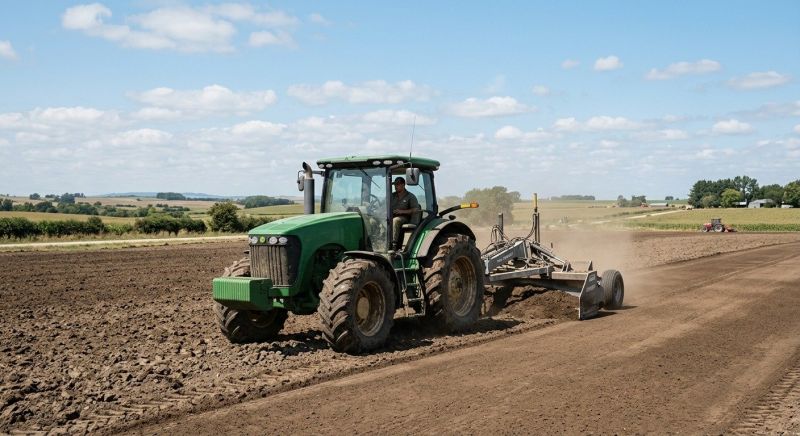
Lawn Leveling in Atlanta, GA
Lawn leveling services focus on correcting uneven or sloped areas of a yard to create a smooth, stable surface. This process often involves filling low spots, removing high points, and grading the terrain to improve drainage and overall appearance. Projects may include addressing uneven patches caused by settling, erosion, or heavy foot traffic, as well as preparing lawns for seeding or sod installation. Homeowners typically seek lawn leveling to enhance safety, prevent water pooling, and achieve a more uniform look across the property.
Before requesting lawn leveling, property owners should consider the extent of the unevenness, the underlying cause of the problem, and the desired outcome for the landscape. It’s important to understand the current condition of the soil and any existing drainage issues, as these factors can influence the best approach for leveling. Clear communication about the specific areas needing attention and the intended use of the lawn can help ensure the project meets expectations and results in a stable, attractive yard.
Many property owners in Atlanta, GA look into Lawn Leveling for repairs, replacements, upgrades, and appearance-related improvements.
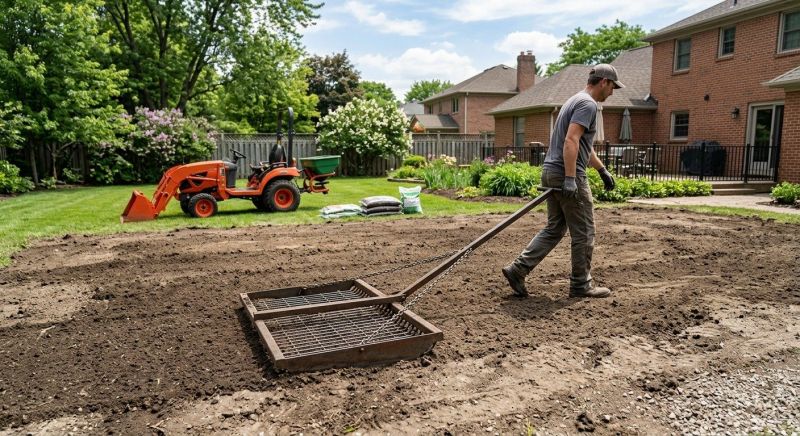
Benefits Of Lawn Leveling
Proper leveling improves lawn health and enhances curb appeal for atlanta properties.
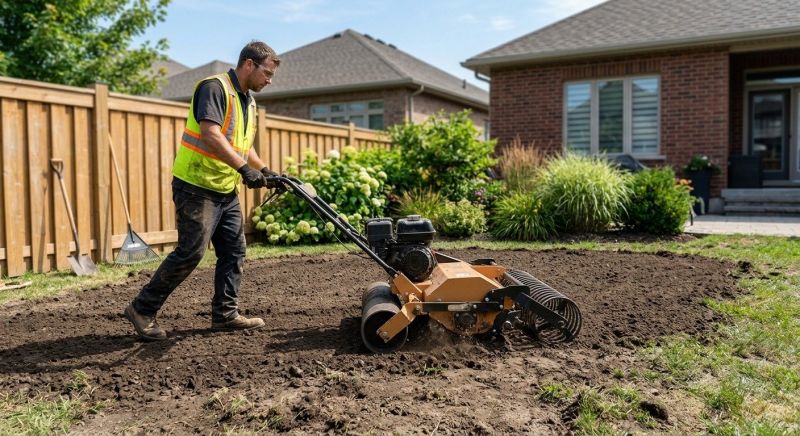
Common Lawn Issues Addressed
Lawn leveling can correct uneven surfaces caused by settling, erosion, or heavy foot traffic.
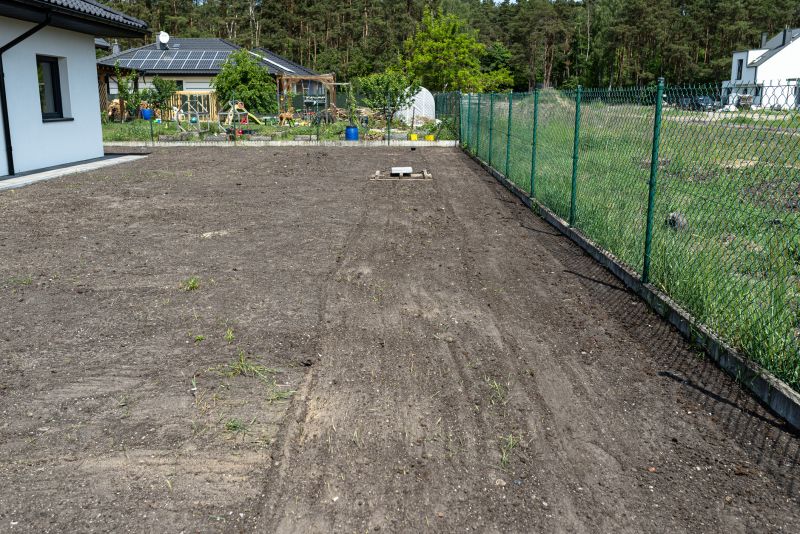
Maintenance And Results
Regular lawn leveling helps maintain a smooth, even surface for safe and attractive outdoor spaces.
Lawn Leveling in Atlanta, GA

Lawn leveling services focus on correcting uneven or sloped areas of a yard to create a smooth, stable surface. This process often involves filling low spots, removing high points, and grading the terrain to improve drainage and overall appearance. Projects may include addressing uneven patches caused by settling, erosion, or heavy foot traffic, as well as preparing lawns for seeding or sod installation. Homeowners typically seek lawn leveling to enhance safety, prevent water pooling, and achieve a more uniform look across the property.
Before requesting lawn leveling, property owners should consider the extent of the unevenness, the underlying cause of the problem, and the desired outcome for the landscape. It’s important to understand the current condition of the soil and any existing drainage issues, as these factors can influence the best approach for leveling. Clear communication about the specific areas needing attention and the intended use of the lawn can help ensure the project meets expectations and results in a stable, attractive yard.
Many property owners in Atlanta, GA look into Lawn Leveling for repairs, replacements, upgrades, and appearance-related improvements.
Common Lawn Leveling Jobs
Residential lawn leveling - smoothing uneven areas to create a consistent playing surface.
Yard grading - adjusting slope and drainage to prevent water pooling and erosion.
Patch and fill - filling low spots to improve overall lawn appearance and health.
Gentle soil leveling - using safe techniques to prevent damage to existing grass and plants.
Landscape leveling - preparing the yard for new planting or other landscaping projects.
Commercial lawn leveling - ensuring large outdoor spaces are even and functional for property use.
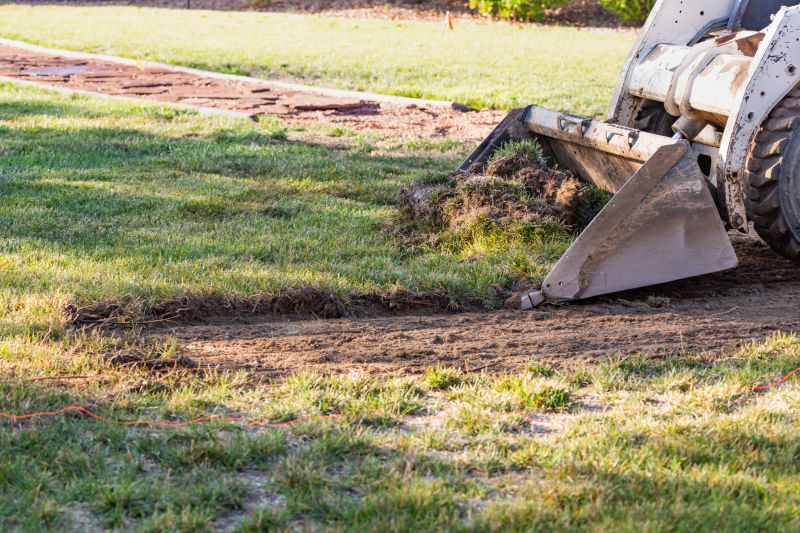
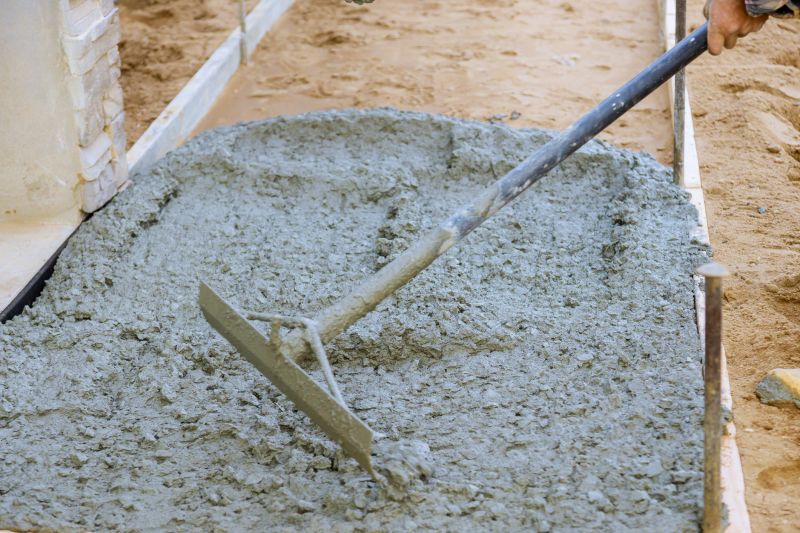
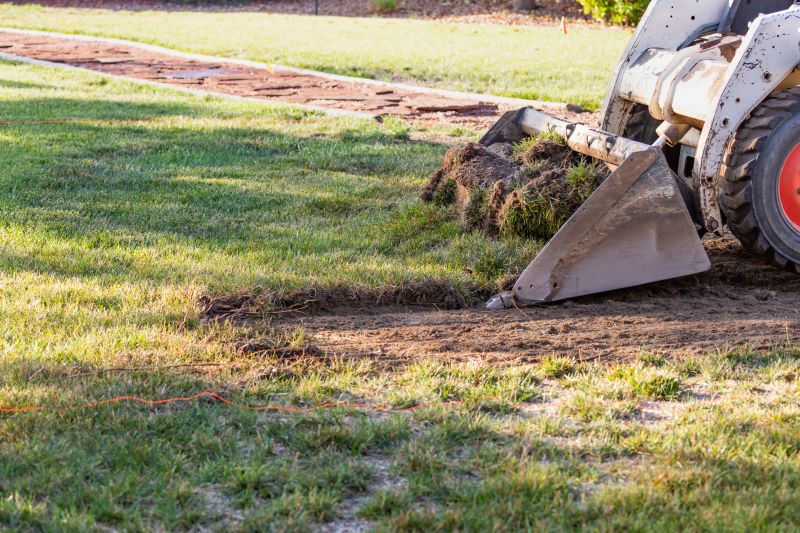
Lawn Leveling Questions
What is lawn leveling? Lawn leveling involves smoothing out uneven areas to create a more even and attractive yard surface.
What types of projects require lawn leveling? Common projects include fixing low spots, filling depressions, and preparing the yard for new landscaping or seeding.
How does lawn leveling improve a property? It enhances the appearance, prevents water pooling, and creates a stable foundation for future lawn care or landscaping.
Is lawn leveling suitable for all grass types? Yes, lawn leveling can be performed on most grass types to improve yard evenness and health.
Request Lawn Leveling in Atlanta, GA
Use the quote form on this page to share the basics of your project and request more information for the type of work you need.